LETTER NAMES
Some names give clues
The name "bee" starts with the sound B makes. The name "aitch" gives no clue to the sound of H.
Try the letter clues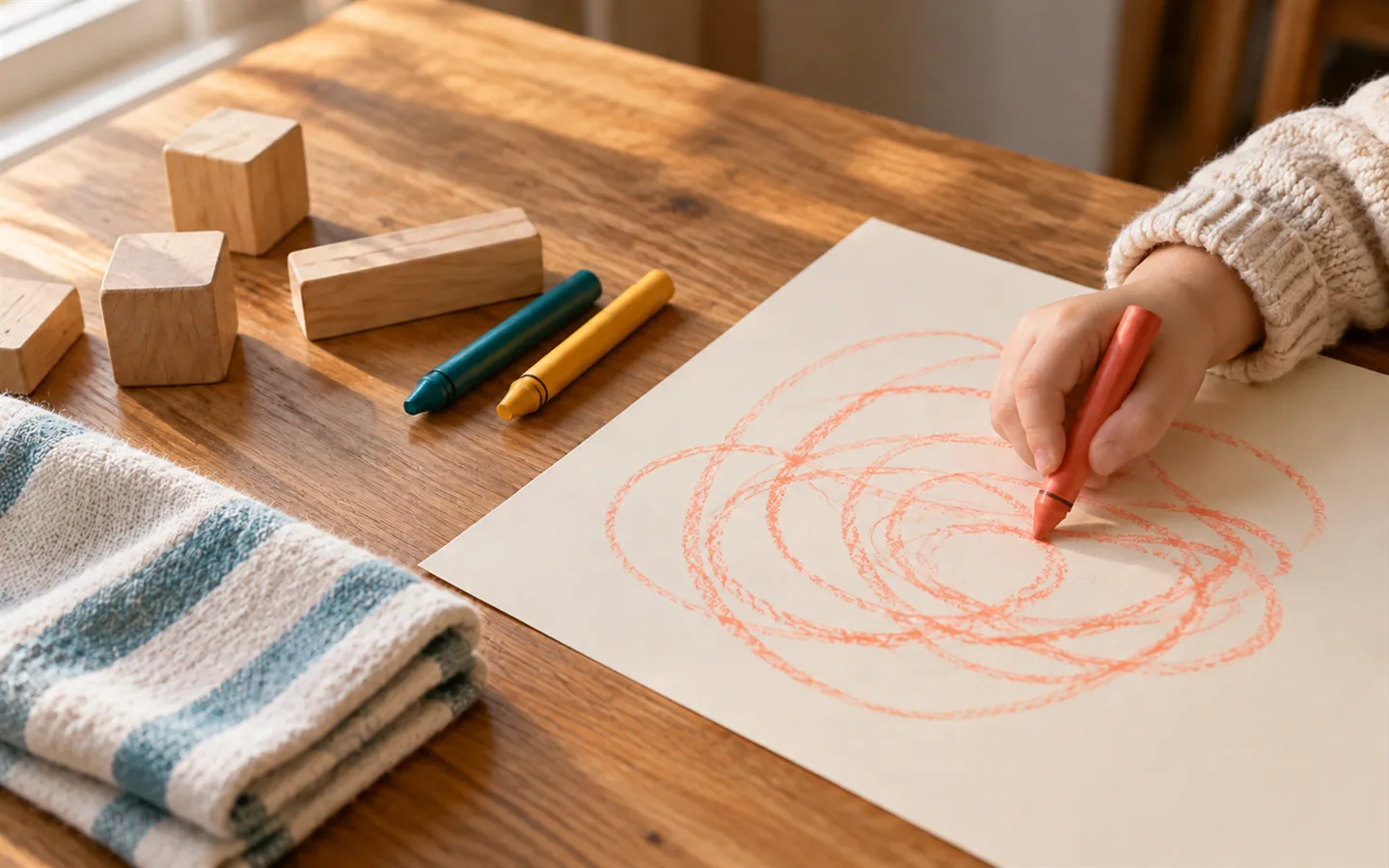
HOW CHILDREN LEARN THEIR LETTERS
26 TO 44 letters to sounds
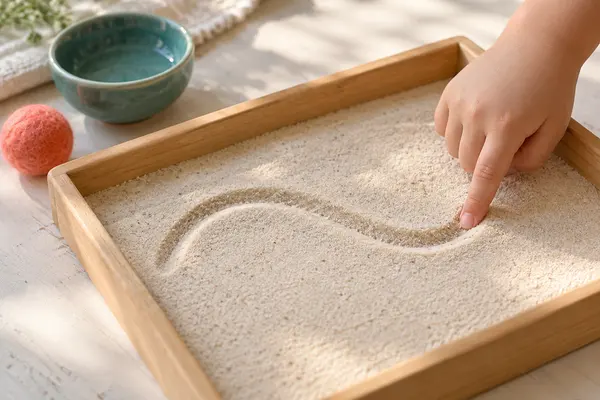
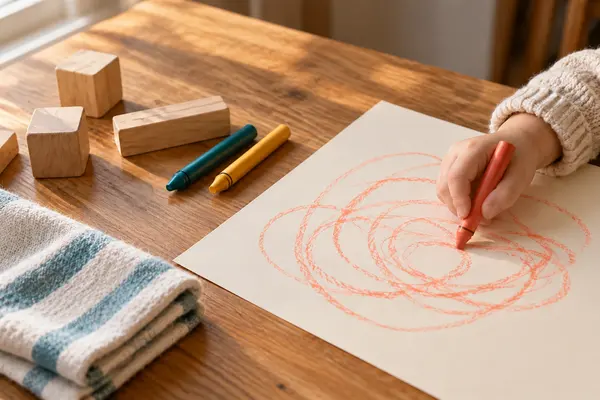
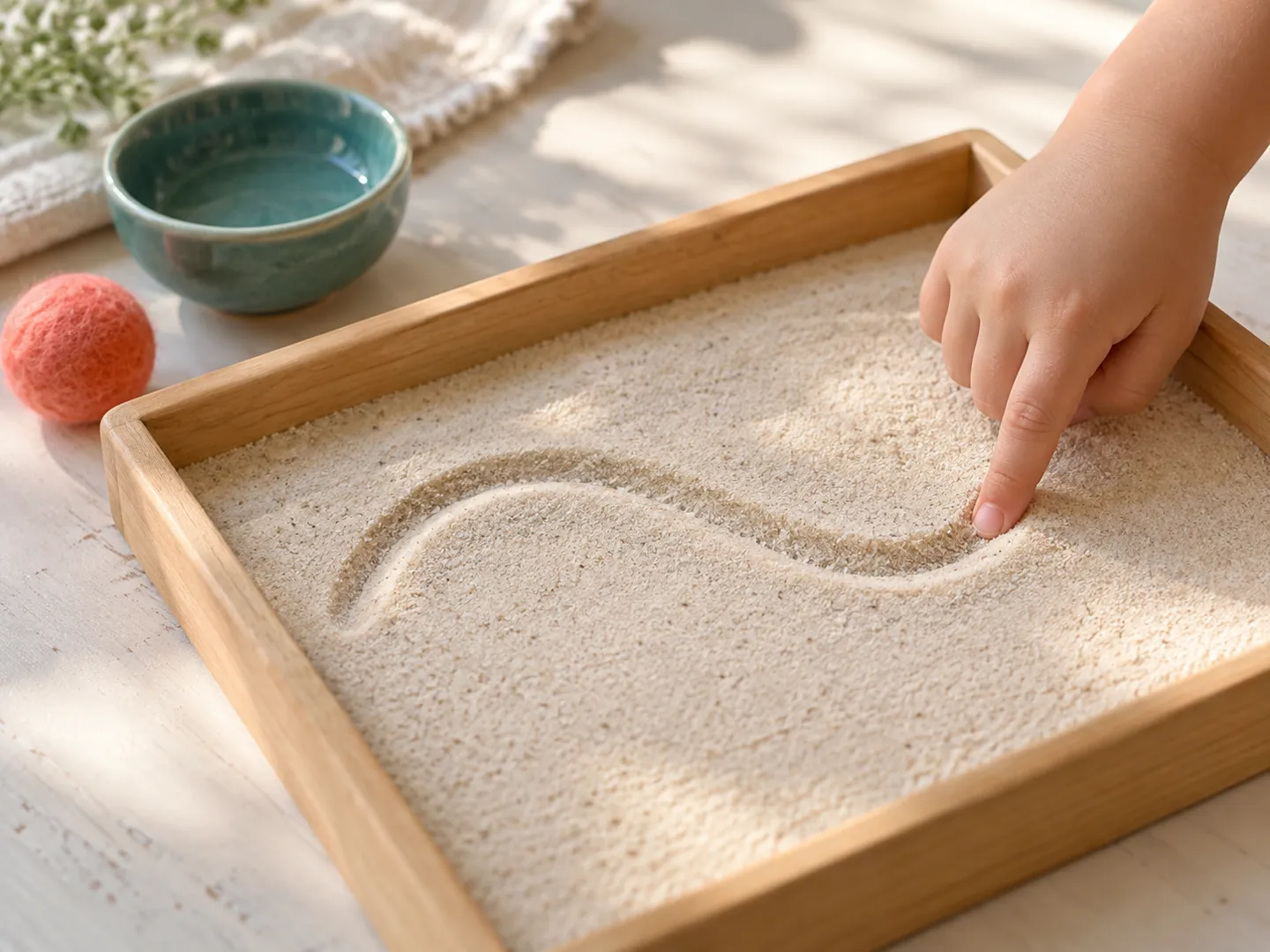
AI-generated image, not a photograph of a real person or place.
Learning the alphabet is more than singing it in order.
Each letter has a shape, a name and at least one sound, and English uses its 26 letters to spell about 44 sounds. Here is what research says about how children make sense of it, in plain English.
Plain English, with the sources linked.
NAMES AND SOUNDS
Researchers count both letter names and letter sounds
as part of knowing the alphabet.
LETTER NAMES
The name "bee" starts with the sound B makes. The name "aitch" gives no clue to the sound of H.
Try the letter cluesLETTER SOUNDS
English uses its 26 letters, alone or in groups, for about 44 sounds, with more than 70 common spellings.
See the numbersTHEIR OWN NAME
Young children tend to know the first letter of their own name better than other letters.
See the research
AT HOME
Children pay special attention to the letters in their own name, especially the first one, so it is a natural place to begin talking about letters.
Alphabet knowledge covers both. "That is a T, and it says /t/ like in tap" links the two in one go.
Point out capitals and small letters, and the same letter in different fonts, on signs, packets and books.
Letters like H, Q and W have names that do not hint at their sound. Expect them to take longer, and follow the order your child's school uses.
TWO PIECES OF EVIDENCE
Knowing letters early is linked to later reading,
and children often start with their own name.
About 500
Research articles in the analysis
The US National Early Literacy Panel screened more than 8,000 articles. Alphabet knowledge, meaning the names and sounds of printed letters, was one of six early skills with medium to large links to later literacy.
AN EARLY PREDICTOR · 2008
The first one
Best-known letter
A study of preschool and school-starting children in Australia and the United States found they knew the first letter of their own first name better than other letters. The effect was weak or absent for later letters in the name.
THEIR OWN NAME · 1998
A link is not a guarantee. Children who know fewer letters early can and do catch up, and the research describes patterns across many children, not any one child.
LETTER CLUES
Pick a letter. Some letter names start with the letter's sound, some end with it, and some do not contain it at all. Researchers at Purdue University describe how that affects which letters children link to sounds most easily.
This is a general pattern, not a test. Children learn letters in many different orders.
ALPHABET FACTS
English has about 20 vowel sounds and 24 consonant sounds, so 26 letters have to work alone or in combination to spell the 44 or so sounds. The exact count varies with accent.
The Department for Education counts more than 70 common links between sounds and spellings in English, and hundreds of rare ones. One spelling can use up to four letters, as in "eigh" in weight.
A capital and a small letter look different, but they share the same letter name and stand for the same sound.
England's Year 1 phonics check has 40 words. Half are made-up words, each shown with a picture of an imaginary creature, so children have to sound them out rather than recognise them.
The share of Year 1 pupils meeting the expected standard rose from 58% in 2012 to 82% in 2018, fell to 75% in 2022, and stood at 80% in 2025.
QUICK QUESTIONS
Short answers to the questions parents ask most.
Both matter. Researchers treat alphabet knowledge as knowing the names and the sounds of printed letters. The Department for Education notes that some phonics programmes teach the names only once children can say the sounds.
A 1998 study of children in Australia and the United States found they knew the name of the first letter of their own first name better than other letters. The advantage did not extend to that letter’s sound.
Letters whose names give no clue to their sound, such as H, Q and W, tend to be hardest. Letters whose names start with the sound, such as B, T, P and Z, tend to be easiest.
It is a short check used in England with 40 words, half of them made-up words shown with a picture of an imaginary creature. Since it began, the mark needed to meet the expected standard has been 32 out of 40.
In 2025, 80% of Year 1 pupils in England met the expected standard, the same as in 2024. By the end of Year 2, 89% had met it.
Each figure on this page comes from the sources below.
A NAME TO LEARN BY
doodlealphabet.com is part of the DoodleSale portfolio. It isn't in an auction right now, but you can ask about leasing it.